MSI MEG Trident X2 and NVIDIA GeForce RTX 40: Elevating Digital Art with Steven Tung's So-fish-ticated Style
Desktops
A while back, MSI collaborated with the creator Steven Tung, inviting him to use our products to craft his artwork. In the process, he also highlighted the performance of the embedded NVIDIA graphics card. He shared his creative journey in the weekly 'In the NVIDIA Studio' publication. Let's take a look at what he had to say.
Recently, MSI teamed up with the talented creator Steven Tung, inviting him to explore his artistic prowess using MSI MEG Trident X2. Throughout this collaboration, Steven not only delved into the creative process but also shed light on the impressive performance of the embedded NVIDIA graphics card. His insightful journey and reflections are now featured in the weekly publication 'In the NVIDIA Studio.' Join us in discovering his firsthand experience and insights.
Reposted from NVIDIA
Taiwanese artist Steven Tung creates captivating 2D and 3D digital art that explores sci-fi, minimalism and realism and pushes artistic boundaries.

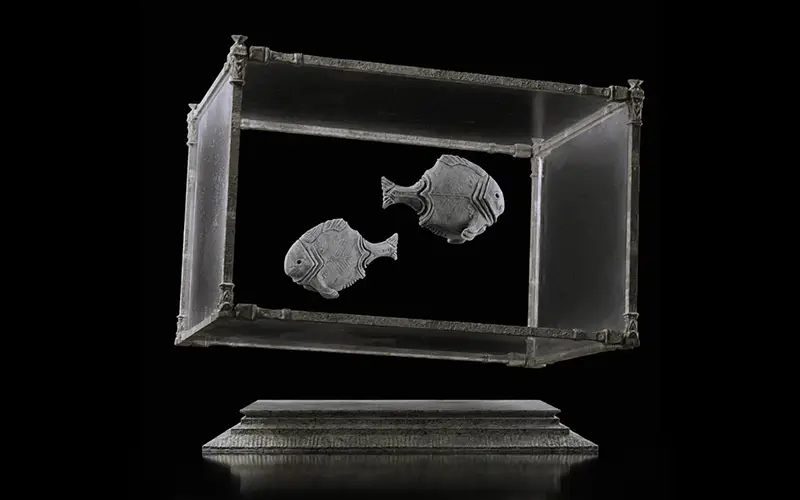
This week In the NVIDIA Studio, Tung shares the inspiration and creative workflow behind his whimsical animation, The Given Fish.
Professional-grade technology, which was once available only at select special effects studios, is becoming increasingly accessible.
“Visual production capabilities continue to skyrocket, generating a growing demand for better computer hardware among the general public,” Tung said. “The evolving synergy between art and technology can spark endless possibilities for creators.”
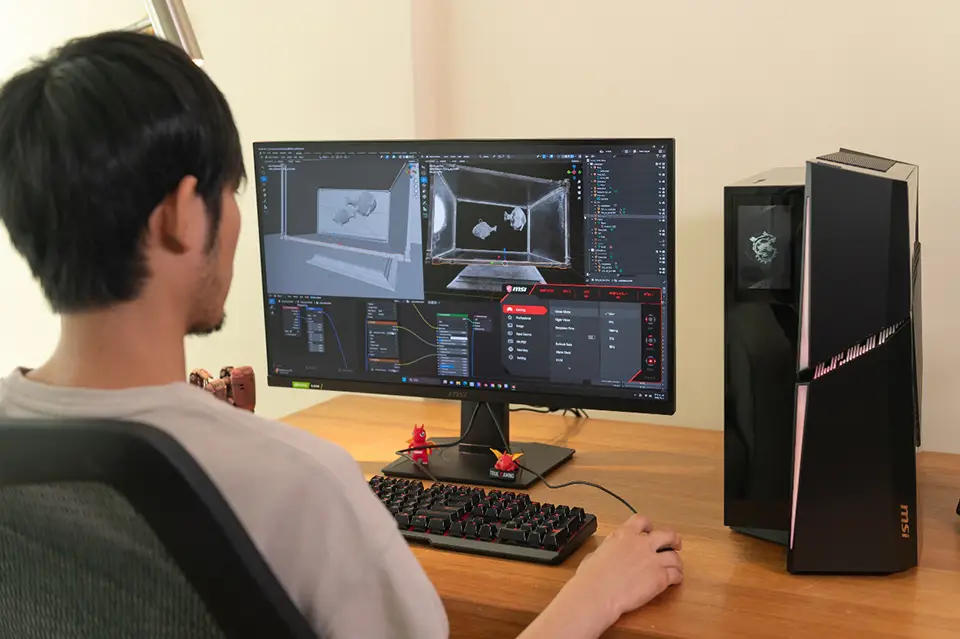
Tung uses an MSI MEG Trident X2 desktop, powered by GeForce RTX 4090 graphics, to accelerate his creative workflow.
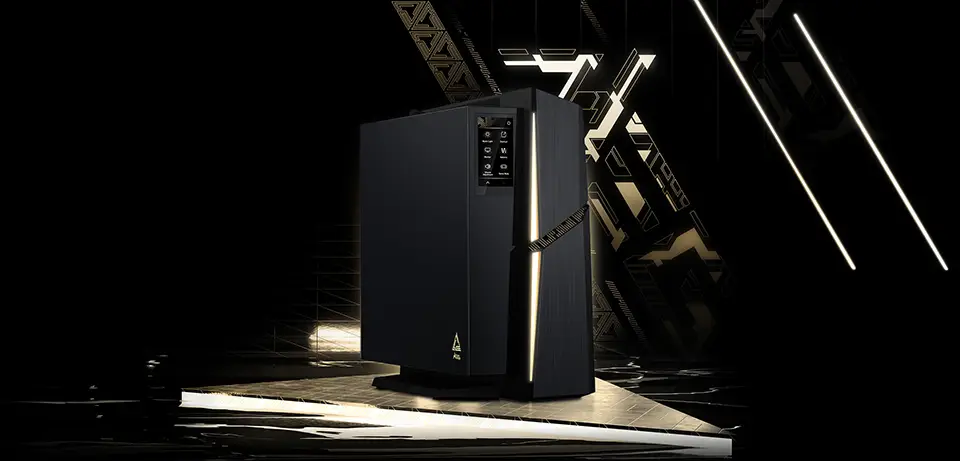
The MSI MEG Trident X2 desktop, powered by GeForce RTX 4090 graphics.
“The enhanced speed and performance expedites various processes, such as updating material textures in Adobe Substance 3D Painter and rendering in Blender,” said Tung. “The necessary specifications and requirements align, enabling maximum creativity without limitations.”
Exquisite Visuals Made E-fish-ciently
Tung’s 3D animation, The Given Fish, may look simple at first glance — but it’s surprisingly complex.
“GeForce RTX GPUs are indispensable hardware for 3D rendering tasks. Faster speeds bring significant benefits in production efficiency and time saved.” — Steven Tung
In the creative world behind the animation, the stone fish depicted can be consumed by people. The concept is that once taken out of the aquarium, the stone fish transforms into a real, living one.
“I have a strong desire to have an aquarium at home, but it’s not practical,” said Tung. “The next best thing is to turn that emotion into art.”
Tung began by creating concept sketches in Adobe Photoshop, where he had access to over 30 GPU-accelerated features that could help modify and adjust his canvas and maximize his efficiency.
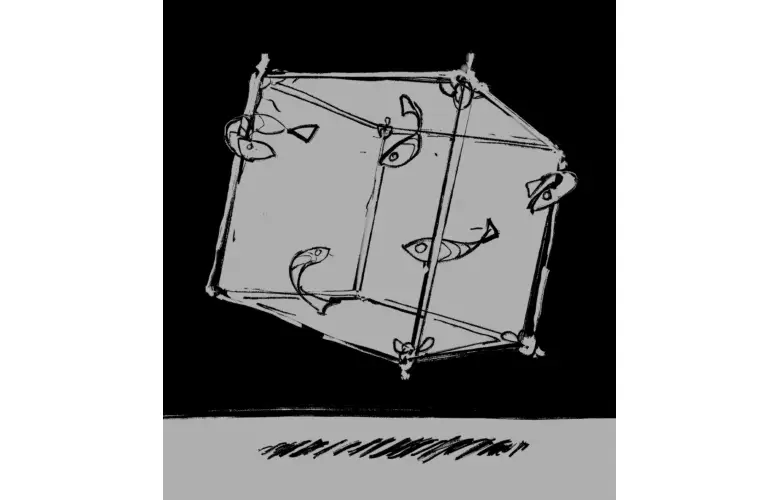
Concept art for “The Given Fish.”
Next, Tung jumped from 2D to 3D with ZBrush. He first built a basic model and then refined critical details with custom brushes — adding greater depth and dimension with authentic, hand-sculpted textures.
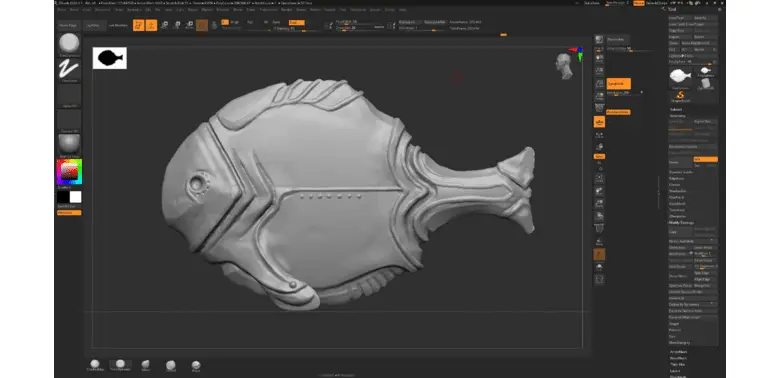
Advanced sculpting in ZBrush.
He then used the UV unwrapping feature in RizomUV to ensure that his models were properly unwrapped and ready for texture application.
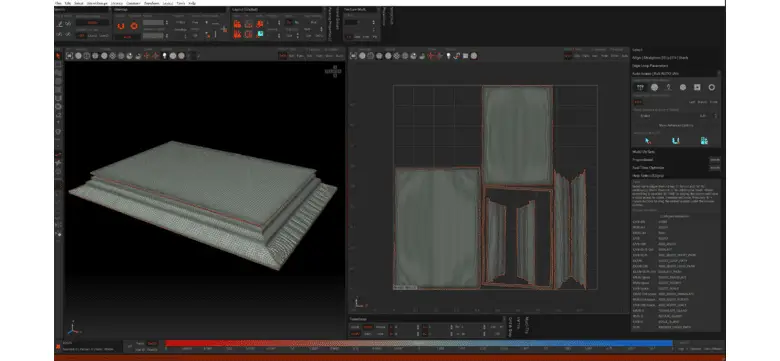
UV unwrapping feature in RizomUV.
Tung imported the models into Adobe 3D Substance Painter, where he meticulously painted textures, blended materials and used the built-in library to achieve lifelike stone textures. RTX-accelerated light and ambient occlusion baking optimized his assets in seconds.
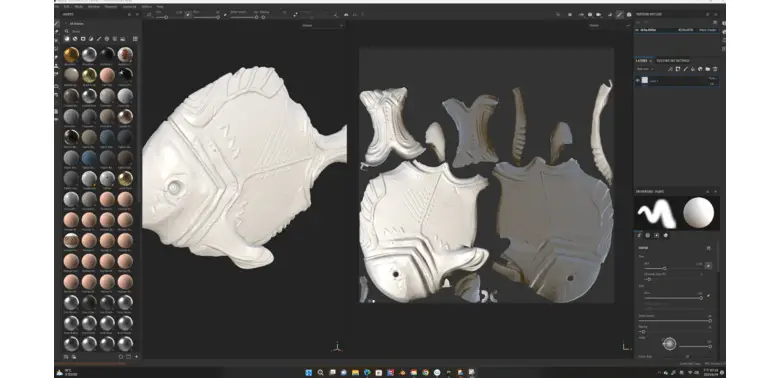
Applying textures in Adobe Substance 3D Painter.
To bring all the elements together, Tung imported the models and materials into Blender. He set up texture channels, assigned texture files and assembled the models so that they would be true to the compositions outlined in the initial sketch.
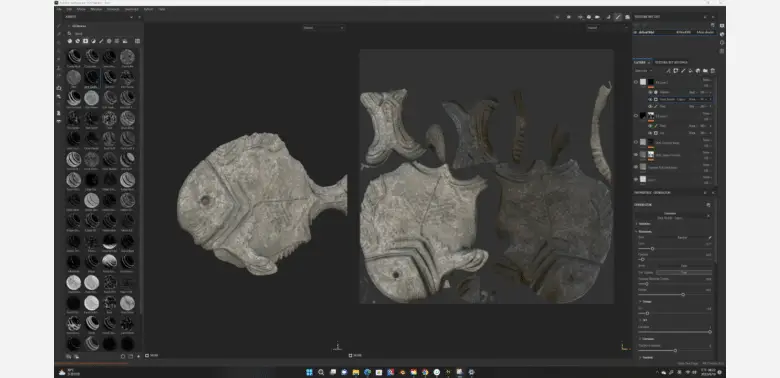
Achieving realistic stone textures in Adobe 3D Substance Painter.
Next, Tung used Blender Cycles to light and render the scene.
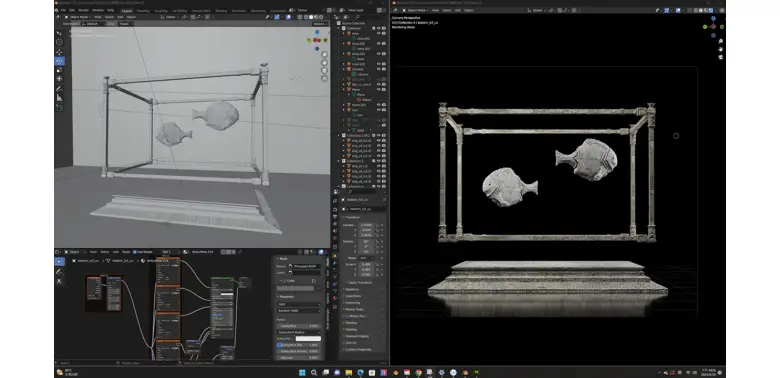
Composition edits in Blender.
Blender Cycles’ RTX-accelerated, AI-powered OptiX ray tracing enabled interactive, photorealistic movement in the viewport and sped up animation work — all powered by his GeForce RTX 4090 GPU-equipped system.
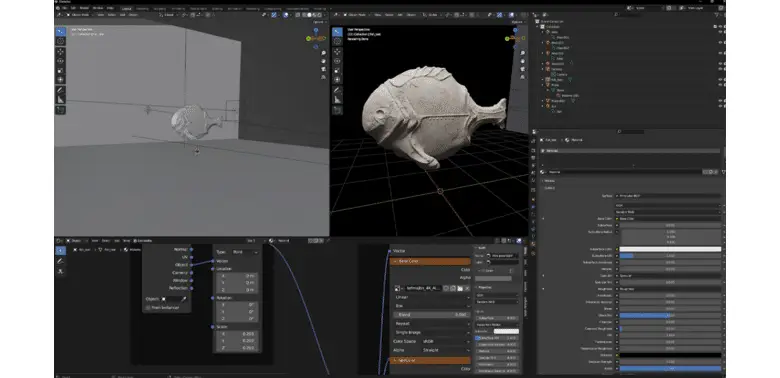
Animation work in Blender.
RTX accelerated OptiX ray tracing in Blender Cycles enabled the fastest final frame render.
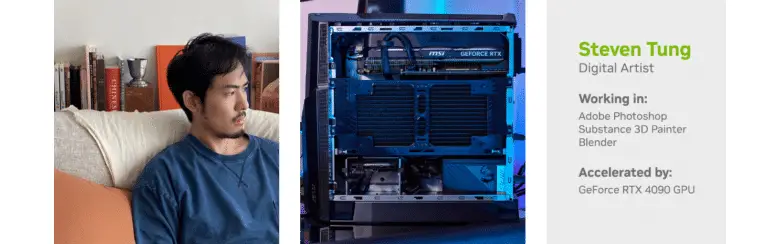
Digital artist Steven Tung.
Check out Tung’s portfolio on Instagram.
Check out Tung’s portfolio on Instagram.